Burrowcore for small apartments: make a tiny home feel cozy, not crowded
Burrowcore is a useful name for a familiar desire: a home that feels like a soft, welcoming retreat. In a small apartment, that feeling comes less from filling every corner with cushions and more from carefully chosen light, texture and places to rest.
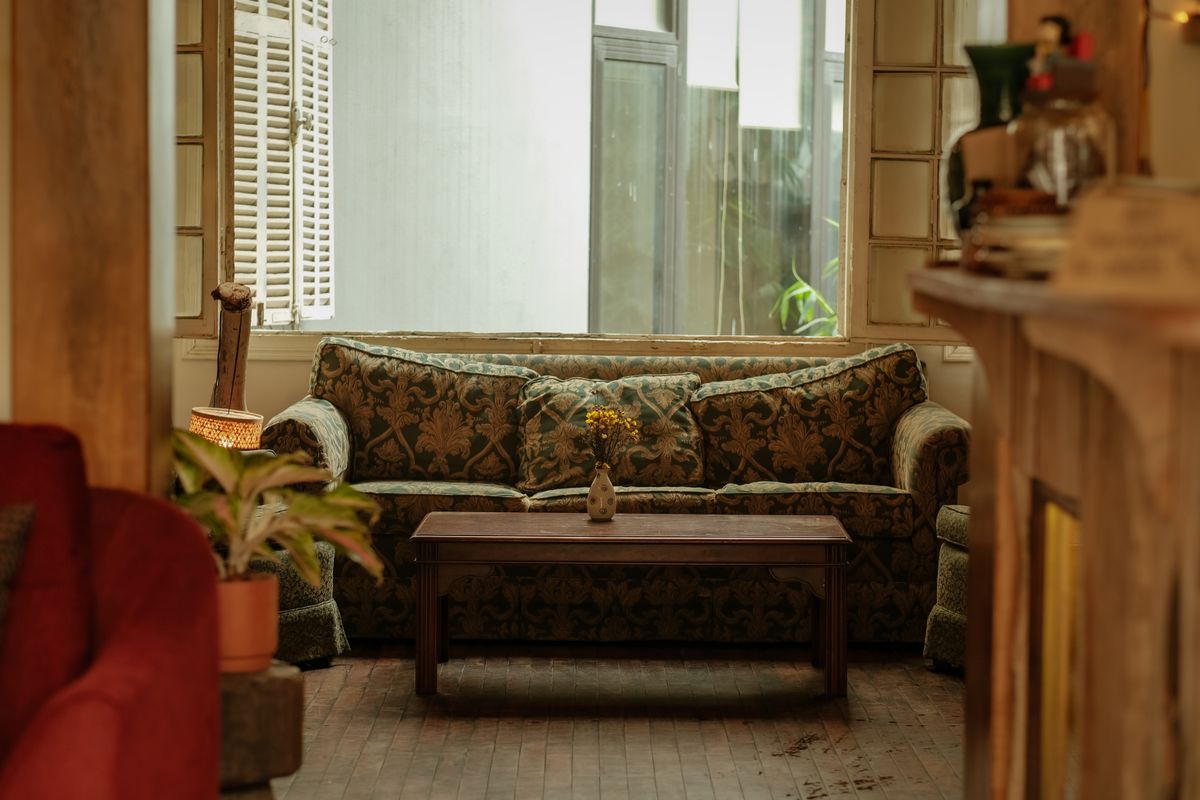
What does burrowcore mean in a small home?
Think warm, low-glare lighting, tactile blankets, natural-looking materials, muted colors and a comfortable corner where you can unwind. The aesthetic is about atmosphere rather than a required shopping list. You can achieve it with pieces you already own.
A cozy room should still be easy to clean, ventilate and walk through. A studio becomes less restful when decorative objects block storage or everyday routines.
Layer lighting instead of adding more furniture
Start with a warm table or floor lamp where you read or relax, plus task lighting where you work or cook. Use dimmable bulbs if compatible with the fixture. Avoid covering lamps with fabric, and follow the fixture's bulb and heat specifications.
In a room with one window, keep tall furniture and heavy textiles away from the main daylight path. Cozy should not mean gloomy all day.
Choose three textures, not thirty accessories
A washable throw, one textured cushion and a low-pile rug can soften a room without creating piles of objects. Repeat a restrained palette of warm neutrals, muted greens or earthy browns. You do not need to repaint to create a consistent feeling.
Choose textiles for maintenance as well as appearance. In homes with pets, allergies or high humidity, easy-clean materials may be more practical than heavy layered fabrics.
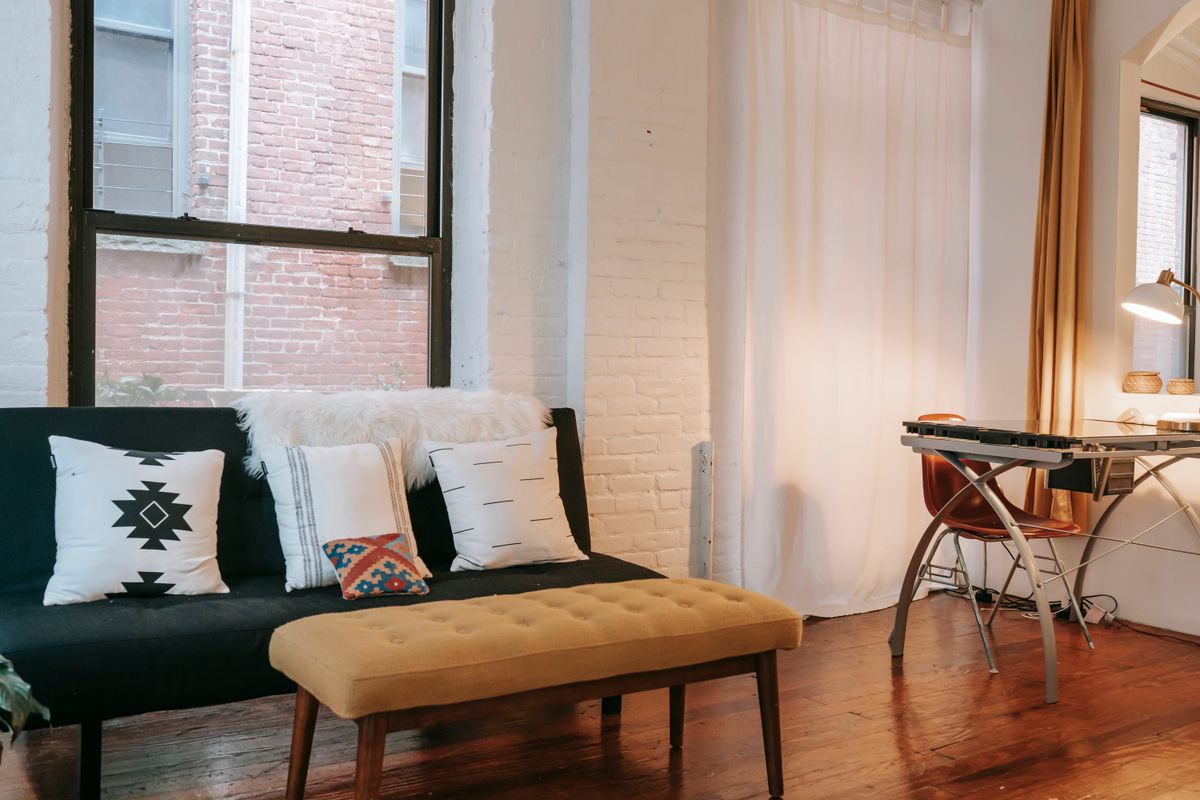
A small-room palette that stays calm
Choose one warm base color, one supporting natural shade and one darker accent. Repeat them across textiles, artwork and small objects so the room feels intentional rather than crowded. Existing neutral walls can remain unchanged.
Instead of buying a matching set, photograph the room in daylight and identify what already fits the palette. Keep the largest surfaces relatively quiet, then introduce texture through a throw, cushion cover or rug.
Before-and-after test: change the atmosphere, not the footprint
Take two photos from exactly the same position. In the first, use the room's everyday lighting and arrangement. In the second, keep every large item in place but declutter surfaces, switch on safe warm lamps and add one tactile textile. The comparison reveals whether the transformation actually preserves usable space.
Judge the result by practical questions: can you still open drawers, work at the table and walk to the kitchen without moving decor? If not, remove or relocate accessories before adding anything else.
Build a cozy corner within the existing floor plan
Place a reading light beside the sofa or bed, use a small side table that fits a book and drink, and leave the primary route clear. If you need separation in a studio, try a rug and lighting change before introducing a divider.
For a 300 sq ft studio, the sofa can be the reading nook and guest seat; there is no need to squeeze in a second lounge chair just to achieve the aesthetic.

Burrowcore on a budget: a one-hour reset
Clear visible surfaces, relocate rarely used items, swap harsh overhead lighting for appropriate warm task lighting, fold a favorite throw over the sofa and move a plant or framed print to create one focal point. Photograph the room before and after from the same angle.
If the room still feels busy, remove one accessory rather than buying another. Comfort is the result, not the quantity of decor.
Make the look work beyond autumn
Avoid seasonal novelty items as the foundation of the room. Neutral lighting, durable textiles and an uncluttered layout remain useful year-round. Before buying a rug, lamp or side table, check its footprint with your existing furniture and use the free planner at /studio-apartment-planner to protect circulation.
Cozy is a feeling you design through light, texture and a functional layout—not a reason to overcrowd a tiny apartment.