The small apartment storage audit: what to fix before buying organizers
Storage problems are often location problems. The object has a home, but the home is too far away, too full or too annoying to use. An audit finds the friction before you buy another container.
List the categories that become visible every day, note where you use them, then move or resize their storage before adding new capacity.
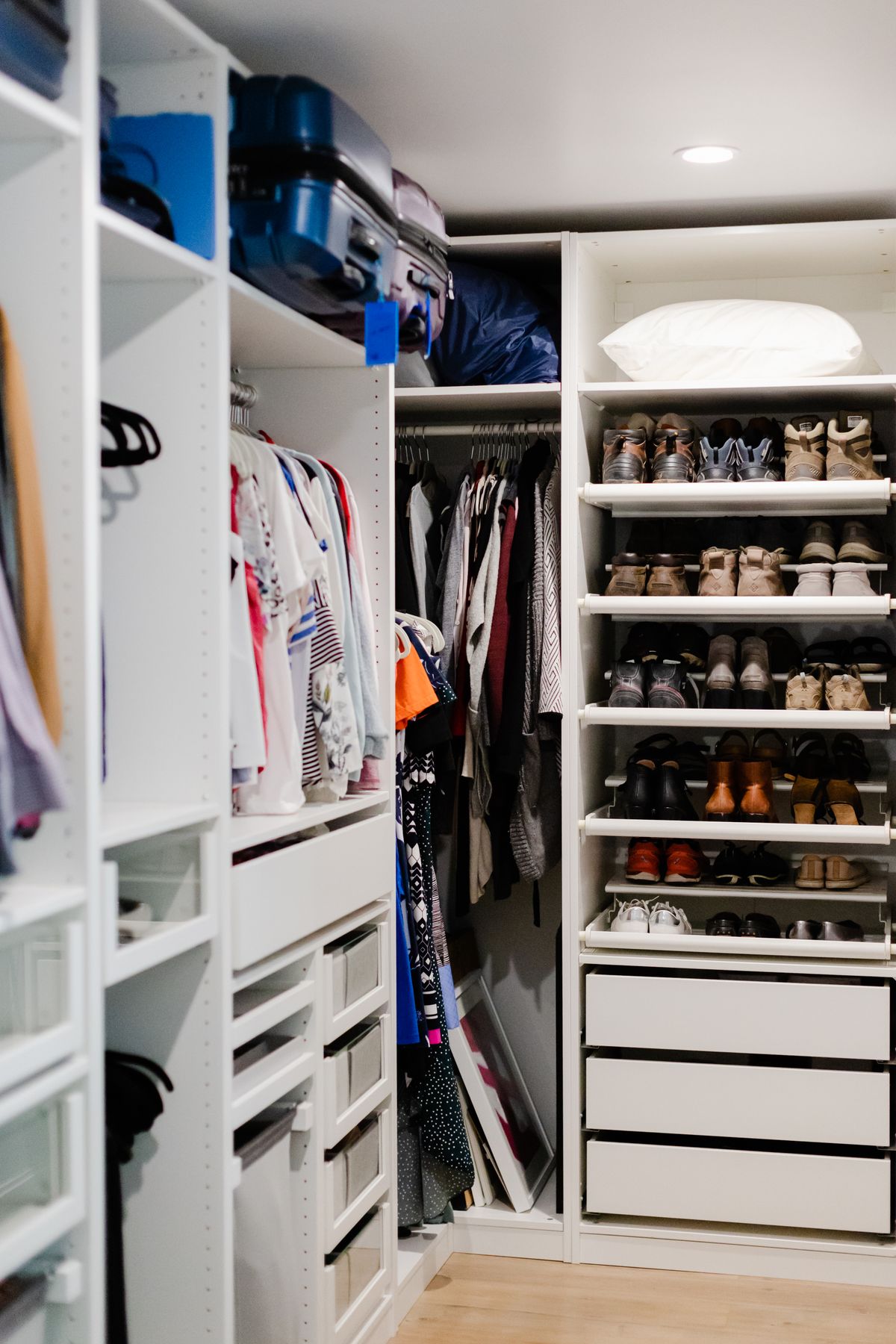
Test the advice against your actual space
The audit separates a true lack of capacity from bad placement. Many objects stay visible because putting them away costs too many movements, not because the apartment has zero storage.
- Which items are left out repeatedly for three normal days
- How far each item's current home is from where it is used
- How many movements are required to put it away
- Whether its container is too small, too large or blocked
Example only: if cleaning spray lives behind a stack of towels in a bedroom closet, buying another basket may not help. Moving a small cleaning caddy closer to the bathroom can reduce friction without increasing total storage.
Fix location and access before adding capacity.
Do not buy organizers for a category until you know its stable quantity and point of use.
Find the repeat offenders
For three days, notice what repeatedly lands on chairs, counters and the floor. Shoes, bags, laundry, mail, chargers and cleaning tools often reveal the highest-friction categories.
Check distance from point of use
If towels live across the apartment from the bathroom or chargers live in a deep closet, the system is asking for extra effort every day.
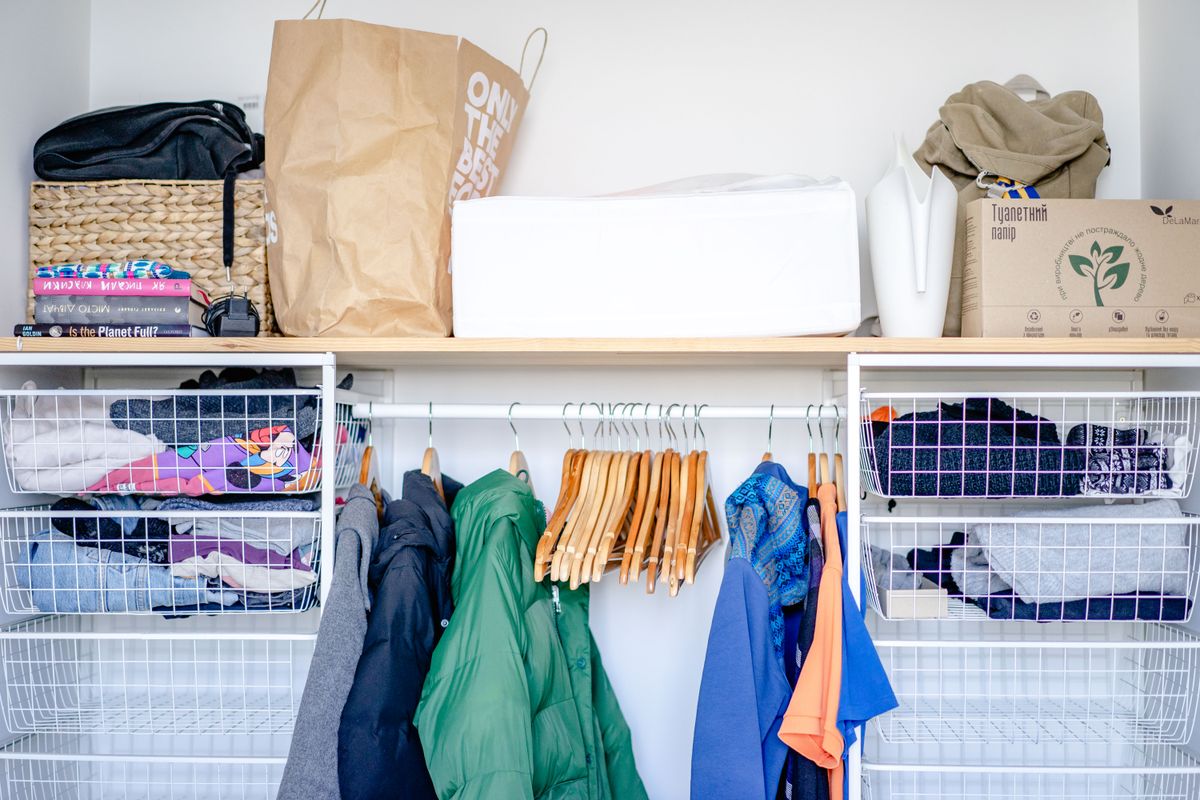
Check whether the container is the wrong size
A tiny basket for a growing category overflows. A huge bin for a small category wastes valuable capacity. Match the container to the stable amount you actually keep.
Check access cost
If putting something away requires moving three other things, it will eventually stay out. Prime storage should be one movement away for high-frequency items.

Only then add capacity
Once the location and access are correct, you can see whether the apartment genuinely lacks storage or whether the existing storage was simply organized around the wrong priorities.
Before you finish
- Three-day clutter observation
- Point-of-use check
- Container size check
- Access-effort check
- Rare items moved out of prime zones
- New capacity added only after audit
Small Space Planner combines measured furniture footprints, circulation-first planning and practical renter constraints. Numerical product dimensions should always be checked against the exact manufacturer model, your lease and your building conditions.
Read our editorial and research policy →Turn the advice into a measured starting plan.
Enter your dimensions, bed choice and priorities in the free studio planner.