How to furnish a studio apartment on a budget
A cheap studio can become expensive when you buy the wrong things twice. Budget furnishing works best when you spend in the order the room needs, not in the order products look appealing online.
Measure first, buy the bed and primary seating first, solve one storage system, and live with the room before buying secondary tables, decor and organizers.
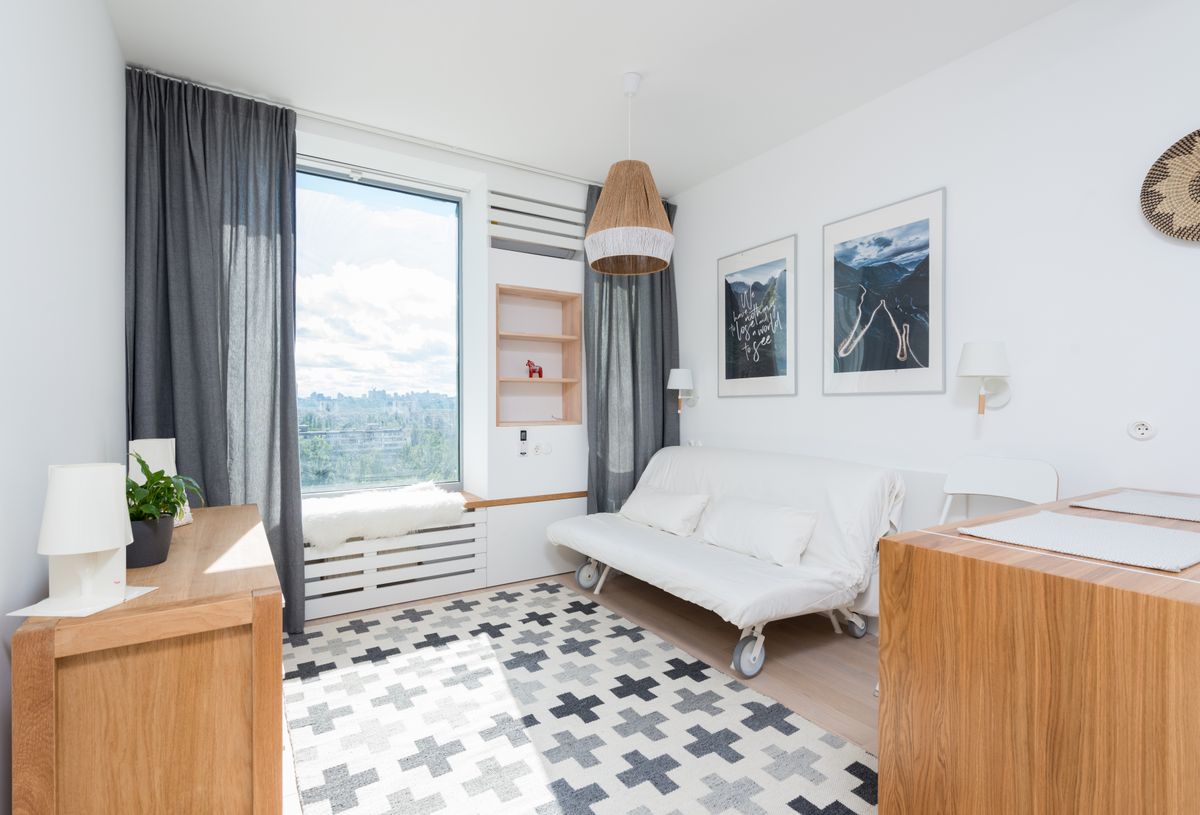
Test the advice against your actual space
A budget studio is easier to furnish when spending follows function. Buying inexpensive versions of unnecessary pieces is still wasted money and floor area.
- The maximum bed, sofa and storage footprints before shopping
- The delivery path for large pieces
- Which activities truly need separate furniture
- What storage already exists in closets, cabinets and under the bed
Example only: if a dining table and desk would both occupy the same six-to-eight square feet at different times of day, one comfortable dual-purpose table may cost less and preserve more floor than two cheap surfaces.
Buy the piece that solves the most frequent unsolved problem next.
Do not spend the first part of the budget on matching decor, organizers or occasional-use furniture before sleep, seating and daily storage work.
Phase 1: sleep and daily sitting
A bed or mattress setup and one comfortable place to sit affect every day. Prioritize fit and condition over matching style.
Phase 2: storage for high-friction categories
Solve clothes, shoes, laundry and kitchen basics before decorative storage. These are the categories most likely to become visible clutter.

Phase 3: work and dining
Decide whether one table can cover both functions. Avoid buying two surfaces before you know whether the room can support them.
Buy used where inspection is meaningful
Hard furniture such as tables, shelves and many chairs can be good second-hand buys when condition is easy to inspect. Upholstered items require more care because cleanliness, odors and pests are harder to assess.
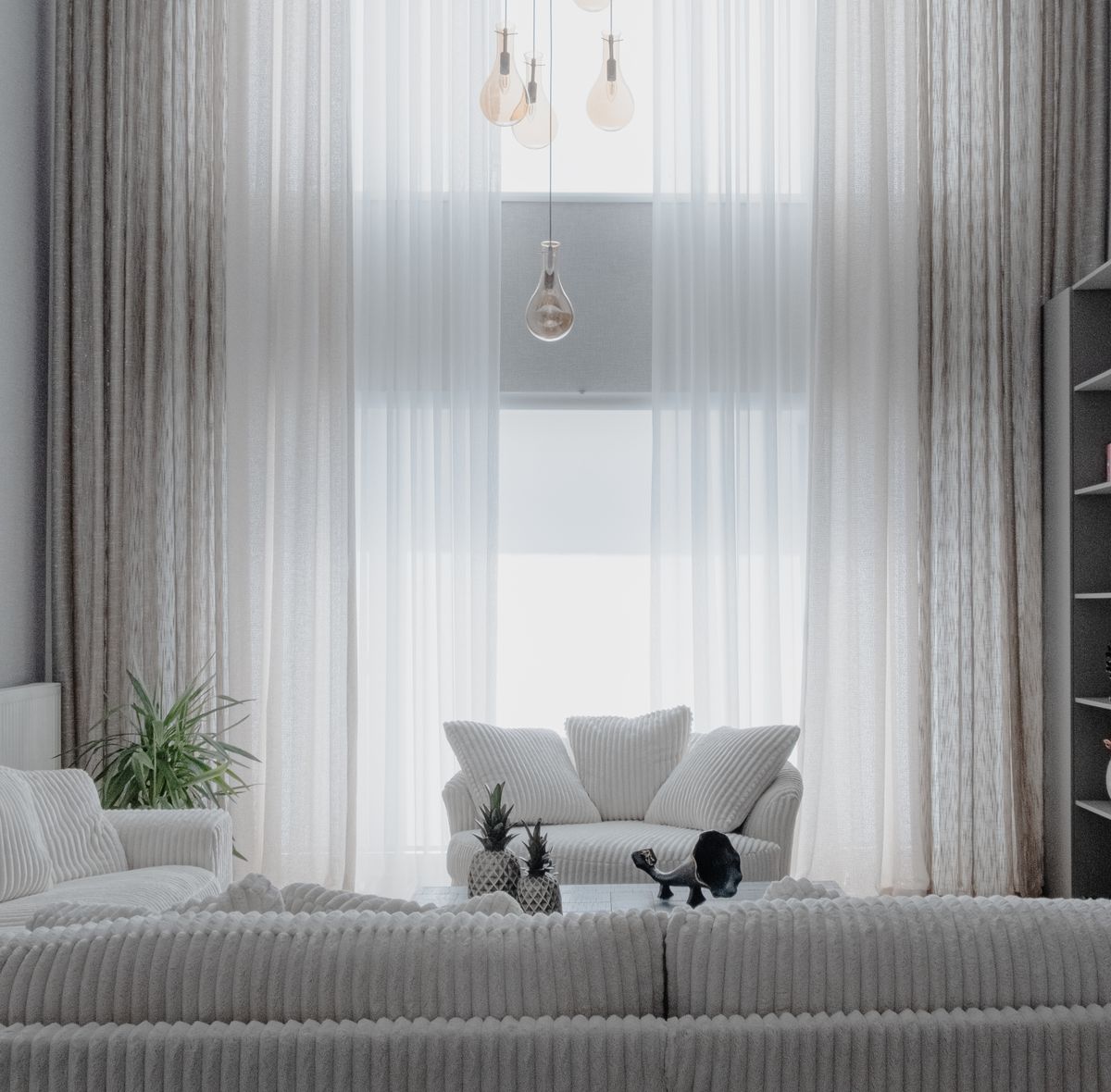
Delay the organizers
Containers should fit a known category in a known place. Buying bins before the storage plan often creates another category that needs storage: empty bins.
Before you finish
- Room measured
- Bed solved
- Primary seat solved
- High-friction storage solved
- One work/dining strategy
- Decor delayed until layout stabilizes
Small Space Planner combines measured furniture footprints, circulation-first planning and practical renter constraints. Numerical product dimensions should always be checked against the exact manufacturer model, your lease and your building conditions.
Read our editorial and research policy →Turn the advice into a measured starting plan.
Enter your dimensions, bed choice and priorities in the free studio planner.